AI
Computers can now write a convincing letter, make a realistic photo of something that never happened, and even imitate the voice of someone you know. Most of what AI does is useful or harmless — but it reinforces the old rule that you can't believe everything you see or hear online.
A dose of healthy skepticism is more important than ever, and the habit of verifying before you share or act is the best defense.
What's actually new
Scams have been around for a long time, but in the past they were either quickly made and obvious, or carefully made and convincing. Now with AI, scams can be both quick and convincing.
Instead of being from "a prince in Nigeria that needs your help to buy Walmart gift cards", a scam can be a well-written email from your bank asking you to log in and dispute a charge — and the email can look exactly like the real thing.
Instead of a blurry hoax photo, it can be a sharp, believable picture of a newsworthy event that never happened.
Instead of a stranger on the phone pretending to be from Microsoft, it can be a phone call from your son asking for money — in his own voice.
Things that can now be faked well
- Writing. Emails, reviews, news articles, and social media posts that are written well can be made in minutes.
- Photos. Realistic pictures of events that never happened, or real people doing things they never did.
- Voices. A short recording of someone is enough to fake a phone call in their voice — including a family member's.
- Videos. Improving fast; treat any shocking clip with the same doubt as a shocking photo.
If a call from a family member asking for money feels off, hang up and call them back at their usual number. A voice alone is no longer proof. Some families agree on a code phrase for real emergencies that is nonsensical but memorable, which you should have as well. (For example, "leaping and frolicking chameleons" or "the purple elephant is in the fridge.") If they don't know the code phrase, then it may not be them.
Pictures can be made of anything
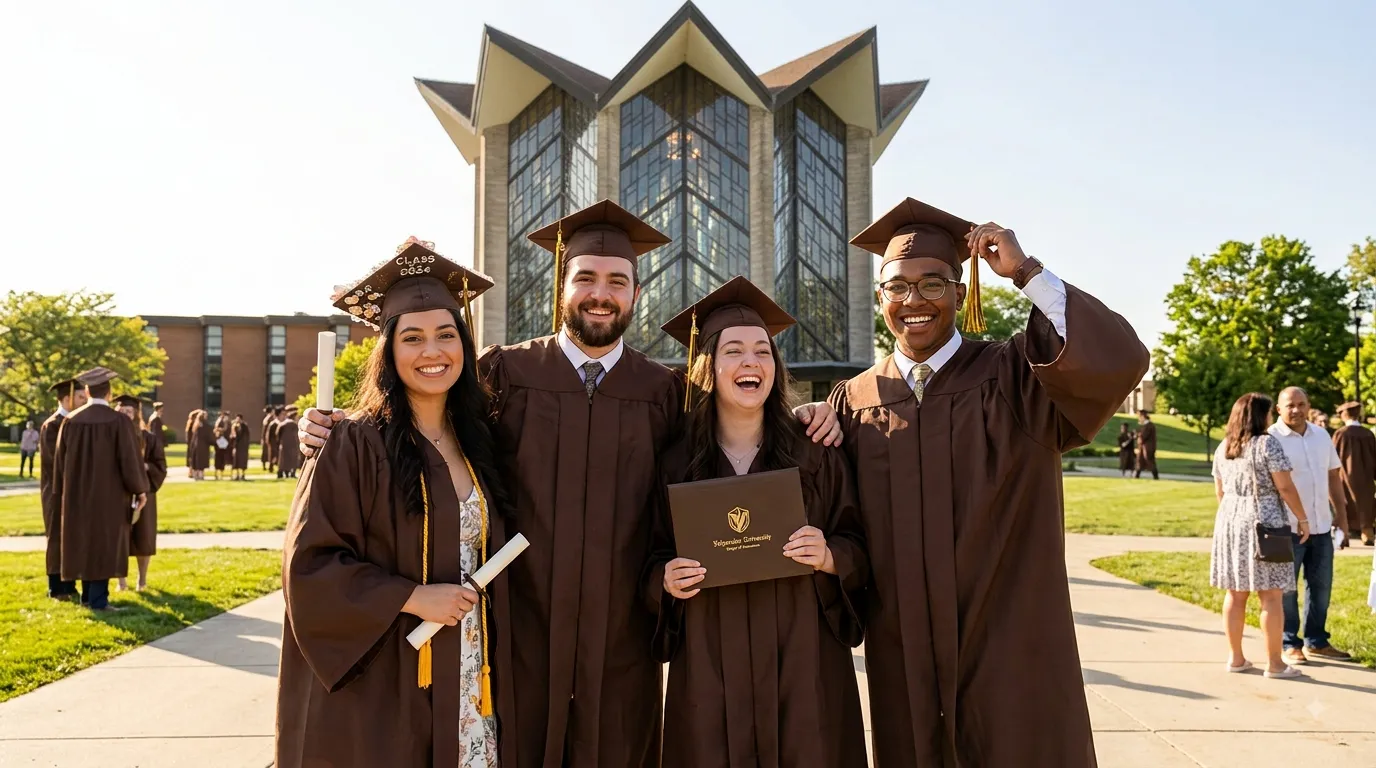
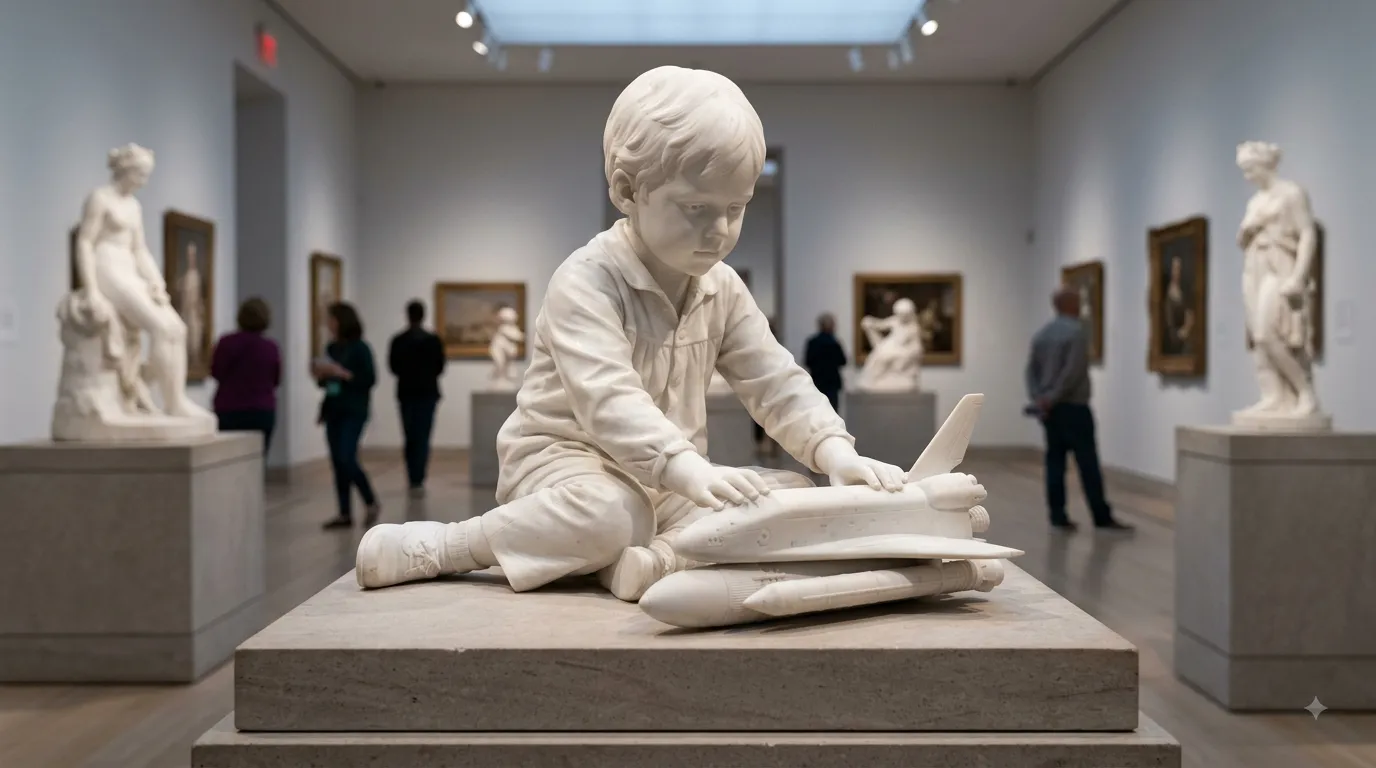
Below are some examples of AI-generated images and videos I made. None of them are real, and at no point was I stopped or challenged while making them. The technology is so good that it can be hard to tell the difference between real and fake.

The habit: verify before you share (or act)
You don't need to become a detective. You just need one habit: when something surprising demands a reaction — outrage, fear, urgency — pause before you share it or act on it. Check whether a source you already trust is reporting the same thing. If only one place on the internet knows about it, it's probably not true.
With that said, it is impossible to have a 100% reliable way to tell if something is real or fake, particularly because the tools to generate these fakes are improving rapidly. However, here are some examples of things to look for in images and videos that may indicate they are AI-generated:
- Lighting or shadows that are inconsistent with the rest of the image
- Unnatural reflections or highlights
- Blurry or pixelated areas
- Items that disappear or appear suddenly (look at Trump's fishing pole that goes behind Thune's head somehow)
- Incorrect details or inconsistencies in the image (look at the Christopher Center on the left of the Valpo picture — it's actually the side of the chapel)
AI isn't the enemy — the people that use it fraudulently are
AI is a tool like Photoshop, the telephone, or a car. It can be used for good or for bad. The problem isn't the tool, it's the people that misuse it to trick you or convincingly lie to you, which is a problem that has existed for millennia.
AI itself can be used for good, and can be used to build software, explain new concepts, make mockups of your living room with that couch you want to buy, or even troubleshoot why your computer isn't working. AI is a powerful technology that you can use to your advantage — just remember that the criminals of the world also have access to it.
As always, the best defense is to be skeptical of anything that seems urgent or shocking, and to verify before you share or act.